Wondering when to get scuba certified? PADI certification lasts for life, so the earlier you start, the more dive destinations and logged experience you build over time.
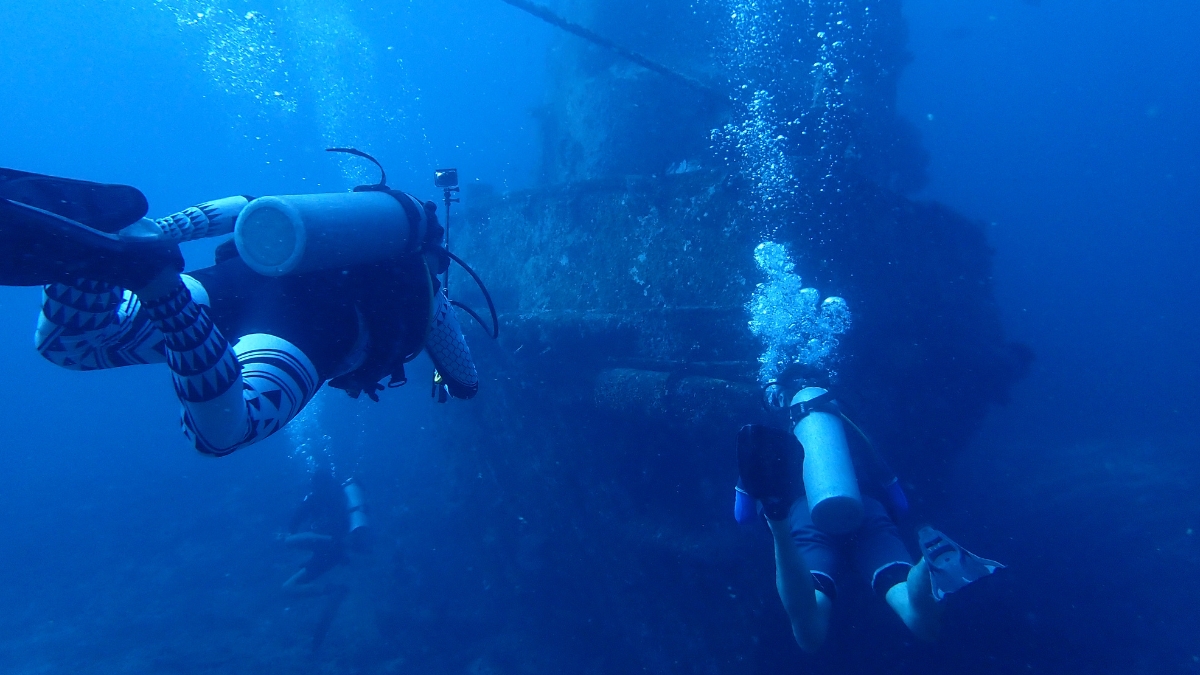
I've always wanted to learn Scuba Diving, but I'm not sure when. Maybe one day.
Most people treat scuba certification like a bucket-list item they'll hope to get one day. Somewhere between the honeymoon and the "someday" trip to Raja Ampat. But here's the part nobody tells you when it sits in your waiting list: every year you wait is a year of dive sites, dive trips, and logged dives you don't get back. The certification card doesn't expire. Your twenties, your next trip to Bali, your next work holiday near the coast, those don't come around twice.
If you've been sitting on the idea of learning to dive, this is the case for doing it now instead of later.
A PADI Open Water certification doesn't expire. There's no annual renewal, no recertification fee, no clock running out on the card in your wallet. You do the course once, and you're a certified diver for the rest of your life.
That surprises a lot of people, because it doesn't match how most other credentials work. Driving licenses expire. Insurance needs renewing. But your dive certification is closer to knowing how to swim, once it's there, it's yours.
The one caveat worth being honest about: skills get rusty if you don't dive for a long stretch. That's a comfort issue, not a certification issue, and a short refresher dive solves it in an afternoon. The certification itself never lapses.
If the card never expires, the only real cost of waiting isn't the course fee. It's the diving you don't do in the meantime.
Here's another part that doesn't get talked enough. Dive experience compounds. Every dive you log builds comfort, skill, and familiarity with different conditions, currents, visibility, marine life, dive site types. The diver who gets certified at 25 and dives two or three times a year could easily have 150 to 200 logged dives by 30. The diver who keeps putting it off and finally gets certified at 30 is starting from zero at the exact point the other person is comfortable diving anywhere.
This isn't about rushing. It's about the fact that time in the water is the only way to build real diving experience, and that clock only starts once you're certified.
The earlier you start, the more dive seasons, more destinations, and more logged experience you accumulate before life gets busier and travel windows get smaller.
Once you're certified, your relationship with travel changes. A beach holiday isn't just a beach holiday anymore, it's a chance to check out the local reef. A work trip near the coast becomes an opportunity instead of a missed one.
For divers based near Indonesia, this is a genuinely good position to be in. Bali and the Nusa Islands, Lombok and the Gilis, Komodo, Raja Ampat, Manado, these are some of the most respected dive destinations in the world, and they're all realistically reachable once you're certified and building experience. Instead of these being places you read about, they become places you can actually plan a dive trip to.
Being certified early means more years to explore them, not fewer.
The comfort that experienced divers have underwater, calm breathing, controlled buoyancy, no panic when something unexpected happens, isn't natural talent. It's built through repetition. The earlier someone starts logging dives, the more naturally diving becomes part of how they travel and explore, rather than staying a nerve-wracking one-off experience they only do once a year on holiday.
Divers who start early and dive semi-regularly tend to reach real comfort and confidence far faster than those who dive once every few years. Comfort in the water isn't something you're born with. It's something you accumulate.
A few things worth knowing if you're still deciding, is that Scuba Diving is genuinely good for physical fitness and stress reduction. The combined breathing oxygen in higher-pressure environment combined with the constant sound of regulator and bubbles, it creates a soothing-calm effect similar to what people get from breathwork or meditation practice, except you're also looking at a reef while you do it.
It opens access to a global community. Dive communities exist in nearly every coastal country, and certified divers often find it easy to connect with other travelers or locals wherever they go. For people who love travel, it can also open a path toward Divemaster or instructor level down the line, turning a hobby into something that funds more travel.
And practically, if you're based in Singapore, Malaysia, or Indonesia, proximity works in your favor. Getting Scuba certification in Batam means a weekend trip is enough to get you certified, no need for a big international trip just to start.
The two most common reasons people delay getting certified are time and distance. Courses in Batam are built around weekday evenings and weekends, so a full-time job isn't a blocker. And at 45 minutes by ferry from Singapore, this isn't a trip that requires taking leave or planning months ahead.
If proximity and flexible scheduling are the only things standing between you and getting started, as covered in why Batam is the closest real dive destination near Singapore, there isn't much of a reason left to put aside your dream to get Scuba certification.
If you're not sure diving is for you yet, Discover Scuba Diving is a low-commitment way to try it with no course requirement. If you already know you want to commit, PADI Open Water Diver is the certification that opens the door to every dive destination worth seeing, starting with the ones closest to home. Once you're certified, joining Scuba dive trips are the natural next step.
Get in touch to figure out which starting point suitable for you.
I teach PADI courses in Batam with flexible scheduling for students coming from Singapore and Malaysia. Small groups, safety-first, taught in English, Bahasa Indonesia, and Mandarin.